
Fetched vs cited sources: why AI answers leave out pages they read
Published . Updated .
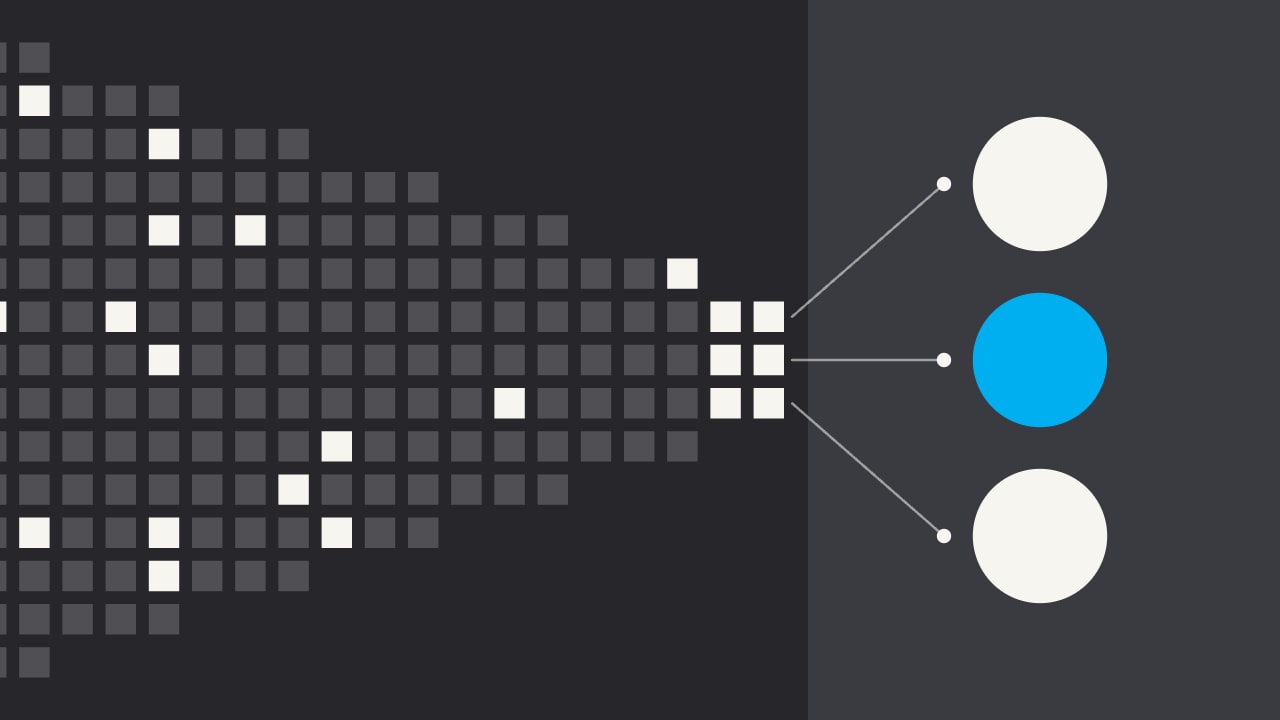
A fetched source is a page an AI assistant's search returned or opened while it worked on your question. A cited source is one of those pages that the finished answer links to a specific claim, so the fetched list is nearly always the longer of the two.
Our guide to AI citations covers how ChatGPT, Claude and Grok show their citations. This page goes one level down: where each assistant keeps its fetched list and its cited list, why published figures for the gap disagree so widely, and how to measure the gap for your own domain. For how one prompt turns into several searches in the first place, start with our guide to query fan-out.
What is the difference between a fetched and a cited source?
Fetched means the assistant's search brought the page in for that turn. Cited means a sentence in the answer points to it.
"Fetched" hides two different events. Some pages only come back as search results and are never opened. Others are opened and read. Ahrefs says as much about its own figures: some of the URLs it counted as retrieved but uncited may never have been opened. Reading is no promise of a credit either. Peec published logs from ChatGPT's Deep Research agent in which it opened a site and then declined to cite it, with the note "the site doesn't have specific content to cite for closures".
So a page sits in one of four places for any turn: not reached at all, fetched but left out, cited, or named in the answer from the model's own memory with no page behind it. Only the third sends a reader to you.
Where does each assistant keep its fetched and cited lists?
All three keep them apart. The developer docs name the fields, and the chat apps send the same split to your browser as the answer arrives.
| Assistant | Fetched list | Cited list | Kept apart from both lists |
|---|---|---|---|
| ChatGPT | The sources field, which "returns the complete list of URLs the model consulted" | url_citation notes on the answer text, which "show only the most relevant references" | Product cards with price, rating and merchant, kept apart from the cited sources |
| Claude | web_search_tool_result blocks, each result with its URL, title and page_age | web_search_result_location citations on the sentence that uses them, each with up to 150 characters of cited_text | Places plotted on a map, which Claude does not cite |
| Grok | The citations list of "all sources the agent encountered" | inline_citations, numbered links that start at 1 and reuse a number when a source comes back | Searches of a connected Gmail, Drive or Calendar, which are counted but whose query text is never stored |
The field names come from OpenAI's web search guide for developers, Anthropic's web search tool documentation and xAI's citations documentation, which adds that "not every URL in this list will necessarily be directly referenced in the final answer". The last column comes from conversations recorded with Only Fan Out. Our post on how Claude searches the web walks through Claude's blocks in order, from the query it wrote to the passage it cited.
Claude's citation carries the quoted passage, so its cited list tells you which sentence of your page was used, not only which page. And since 14 September 2026, a saved ChatGPT conversation keeps the pages fetched and cited but drops the query text. Reload an old chat and you can still compare the two lists, but you can no longer see which query brought each page in.
How big is the gap between fetched and cited?
It depends on what a study counted as fetched, and the published figures run from every page cited to none. Line them up by definition before you compare them.
| Study | What counted as fetched | What it found |
|---|---|---|
| Ahrefs, 2026, 1.4 million ChatGPT prompts on desktop | Every URL ChatGPT retrieved, including some it may never have opened | 49.98% of retrieved URLs were cited |
| Strauss and colleagues, 2025, about 14,000 LMArena conversations through the APIs | Relevant pages the model visited for the query | Median per query: Perplexity Sonar visited 10 and cited 5, GPT-4o visited 2 and cited 2, Gemini visited 4 and cited none |
| Venkit and colleagues, FAccT 2025, a 21-person user study | Sources the app displayed next to the answer | 4.31 shown and 3.00 cited on average; Perplexity showed 5.00 and cited 2.58 |
| Peec, February 2026, Perplexity | URLs retrieved into the candidate set | 64% of retrieved URLs were never cited |
A product that lists only the pages it visited will show a small gap, and one that counts every search result will show a large one. GPT-4o through the API cited what it visited, while the ChatGPT app in the Ahrefs data cited about half of what it retrieved. A fair comparison keeps the assistant, the product and the definition of fetched the same, which is easiest when you record the turns yourself.
Why do assistants read more pages than they cite?
Because a citation hangs on a sentence, and many fetched pages never become the support for one. The docs and the studies point to four reasons.
- Citations attach to claims. OpenAI shows "only the most relevant references" inline, and Claude's citation needs a passage it can quote. A page that backs no sentence has nothing to attach a link to.
- Some fetched pages are search results that were never opened, as Ahrefs points out for its own data.
- Where the URL came from matters. Ahrefs found pages from ChatGPT's search results were cited 88.46% of the time and Reddit URLs 1.93% of the time.
- The agent can read a page and still find nothing specific to credit, as in the Deep Research log above.
These reasons come from the docs and from studies of what the assistants show, so they say nothing about how OpenAI, Anthropic or xAI rank pages inside the model.
How do you measure the fetched-to-cited gap for your own site?
Run the prompts your buyers ask, record each turn, and count how often your domain moves from fetched to cited. Count per turn, not per URL, so a page that turns up twice in one answer counts once.
- Write down the questions people ask before they buy in your category, in their words.
- Open ChatGPT, Claude or Grok with the Only Fan Out side panel, and add your domain and brand to its watchlist. It highlights every mention across queries, fetched sources, cited sources and answers.
- Send each question as normal. For every turn, note whether your domain was fetched, whether it was cited, and whether your brand was named.
- Export the conversation as CSV. Your cite rate is the number of turns that cited your domain divided by the number of turns that fetched it.
- Run the same questions a week later. Answers to the same question can differ from run to run, so watch the trend, not a single turn.
Then read each turn by where your domain landed.
| What the turn shows | What it means | What to check next |
|---|---|---|
| Not fetched | The assistant's own searches never reached you | Whether you rank for the queries it wrote, not the prompt you typed |
| Fetched, not cited | You were found, and no sentence leant on you | Whether your page answers that query in a plain, quotable passage near the top |
| Cited | A claim in the answer rests on your page | Whether the cited sentence says what your page says |
| Named, not fetched | The model knew your brand without reading you | Whether what it said about you is still true |
Chen and Koudas found that ChatGPT names brands it already knows with no page behind the mention, which our AI citations guide covers in more detail. A brand can do well on mentions and still have a cite rate of zero. To turn these counts into a review of your whole site, our step-by-step GEO audit scores each theme by reach, cite rate and mentions with no page behind them.
Related questions
Does a fetched page count as a citation?
No. A fetched page is one the assistant's search brought in for that turn. It becomes a citation only when the answer links it to a claim.
Why does ChatGPT's Sources button show more links than the answer cites?
OpenAI's help article says the Sources button shows "cited sources and other relevant links", so it mixes the pages ChatGPT cited with others it found. The links in the answer text are the citations.
Can a page shape an AI answer without being cited?
Yes. Peec's study of ChatGPT Deep Research logs found that the agent reads far more pages than it cites, and that a page can inform the answer without appearing as a source.
See the fan-out for your own prompts
Only Fan Out is a free Chrome side panel that lists the queries, fetched pages and cited pages behind each ChatGPT, Claude or Grok answer. Nothing leaves your browser.
Add to Chrome, it's free